Blog
How Long Does a Boiler Installation Take? What Happens on the Day
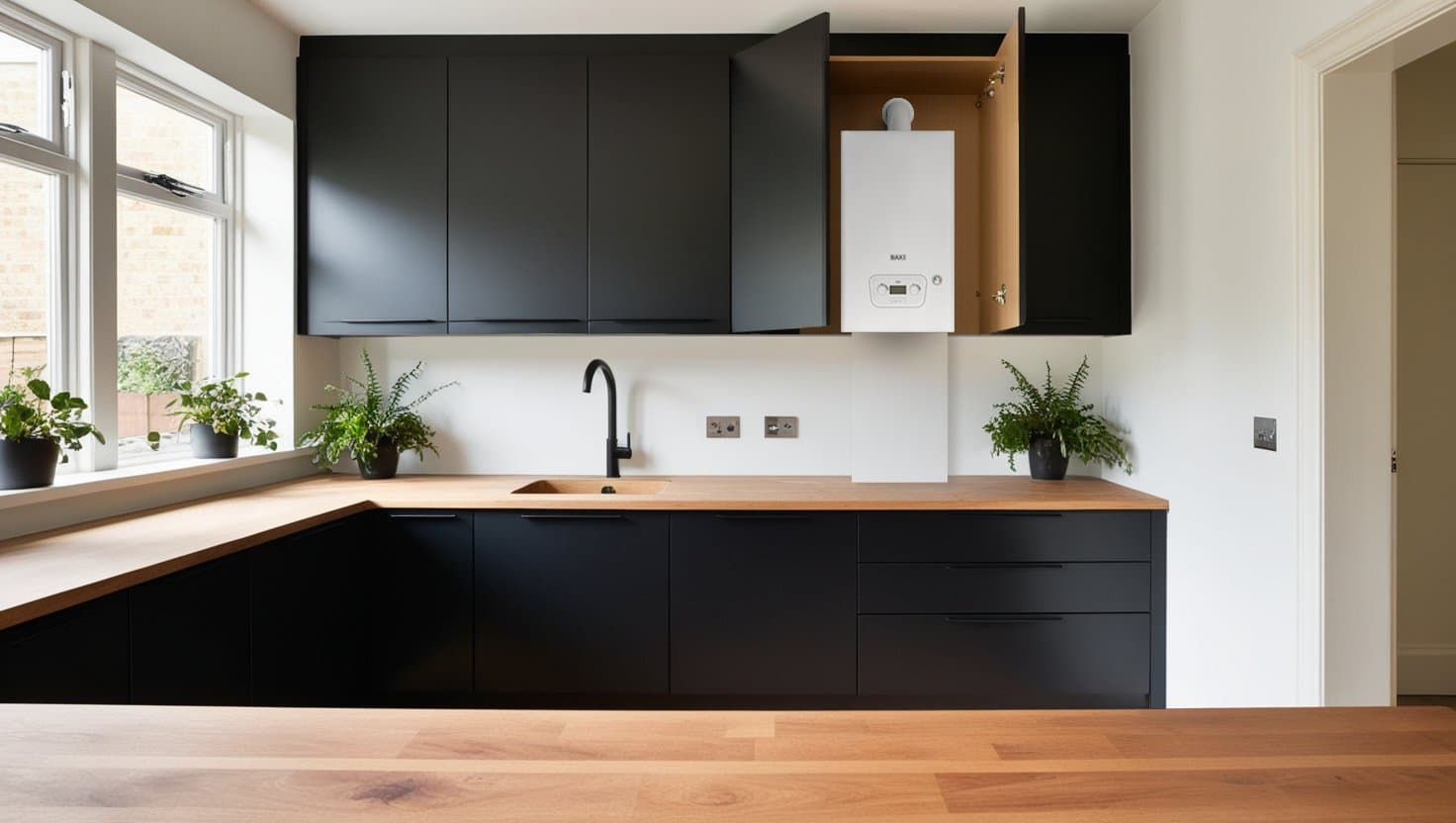
How long does a boiler installation usually take?
The time needed for a boiler installation depends on what is changing, not simply on the boiler being fitted. A straightforward replacement may involve the existing position, pipework and flue route. A more involved installation can require changes to heating controls, pipe runs, the hot water arrangement or the boiler location.
That is why we do not treat every installation as the same job. Before work begins, we assess the property and existing system so the schedule reflects the actual installation rather than an optimistic assumption. You can read more about our Boiler Installation service for the overview, but the important detail is what happens on site and why each stage matters.
The survey determines the real scope
The first stage is understanding the system that is already in your home. We look at the boiler position, access, flue route, gas and heating pipework, the condensate pipe, which carries water away from the boiler, controls and the wider condition of the system.
The property itself matters. A boiler cupboard in a modern house may offer clear access and a direct route for connections. A property in Cheltenham with older alterations, restricted cupboard space or concealed pipework can require more careful planning. The same applies in Gloucester, Churchdown and surrounding areas where homes vary considerably in age, construction and layout.
We also need to establish whether the replacement is genuinely like for like. Changing the boiler may expose issues with pipe sizing, system cleanliness, controls or the route taken by the flue. Those points are easier to deal with when identified during the survey, rather than discovered after the old appliance has been removed.
What happens when the old boiler comes out
On installation day, we first make the work area safe and accessible. We disconnect the existing boiler, then remove it along with associated components that are no longer suitable for the new system. This is not just a matter of taking one box off the wall. Connections, brackets, flue components and sections of pipework may all need to be altered.
The condition of the surrounding system becomes clearer at this stage. If pipework needs repositioning or the boiler is moving to a different location, the work can involve opening access points and making new connections. The extent of this work is one of the main reasons installation times vary between properties.
We also consider how the new boiler will operate with the existing radiators, hot water cylinder, controls and heating circuit. A new appliance cannot perform properly if the installation around it is unsuitable.
Fitting, connecting and commissioning the new boiler
Once the preparation is complete, we position and connect the new boiler in line with the manufacturer’s installation requirements. That includes the relevant gas, heating, water, condensate, electrical and flue connections for the system being installed.
The flue is a particularly important part of the installation. Its route, where it ends and the space around it must be suitable for the property and the appliance. If the flue position changes, additional work may be needed to achieve a safe and compliant arrangement. This is another detail that can affect the schedule before any commissioning takes place.
After the physical installation, we test and set up the boiler rather than simply switching it on. We check operation, controls, system pressure and relevant safety functions. The heating and hot water settings are adjusted so you understand how to use the system efficiently and safely.
Why the final checks cannot be rushed
Commissioning is where the installation is tested as a complete system. A boiler that has been connected but not properly checked may have hidden faults in its controls, the movement of water around the system, its pressure or the way it burns fuel. Allowing time for these checks protects the appliance and gives you a reliable starting point.
We complete the required certification and explain the controls before leaving. You should know how to operate the heating, how to adjust the hot water and which information to keep for future servicing. Manuals and installation records are useful long after the engineer has left, particularly if another Gas Safe registered engineer later needs to inspect or service the system.
What can make the installation take longer?
The main factors are property access, boiler location, flue routing, pipework changes, system type and whether the hot water arrangement is being altered. Additional controls, an unvented hot-water cylinder, which is a pressurised hot-water tank or changes to the heating layout can also add stages to the work.
An old system may need more attention if deposits, unsuitable pipework or previous alterations are found. That does not automatically mean the installation cannot proceed. It means the work needs to be planned around the condition of the system instead of assuming the visible boiler tells the whole story.
For homes across Cheltenham, Longlevens, Churchdown and Gloucester, we assess those details before confirming the installation plan. We are Gas Safe Registered, with Grant G1, Ideal and Vaillant accreditations, so we can approach the installation with safety and manufacturer requirements in view from the survey through to commissioning.
A realistic schedule starts with an accurate survey
The quickest installation is not necessarily the best one if important checks are skipped. A proper survey reduces surprises, identifies the work that needs to happen and gives you a clearer expectation of what the installation involves.
If your boiler needs replacing, contact G.Capper Plumbing and Heating on 07811 947787 or garethcapper@hotmail.com to discuss your property and arrange a suitable quotation.
Other Articles