Blog
Will an Unvented Cylinder Improve Shower Pressure?
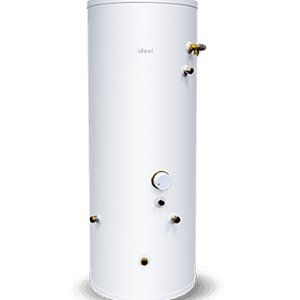
The result depends on more than the cylinder
An unvented cylinder can change how hot water reaches your shower, but it does not boost the incoming water supply. That distinction matters. If the mains supply to your home is already limited, fitting a cylinder alone may not deliver the improvement you expect.
The outcome depends on the supply at your property, the condition and layout of the pipework, the shower fittings and how many taps or showers are being used together. Two homes in Cheltenham can have different results even if both are considering the same type of cylinder.
Pressure and flow are not the same thing
Pressure describes the force pushing water through the pipe. Flow is the amount of water that can actually pass through a tap or shower over time. A shower can feel disappointing if either is limited, and a pressure reading on its own does not tell the whole story.
An unvented cylinder stores hot water and supplies it from the mains rather than from a loft storage tank. It does not manufacture extra water or increase the capacity of the pipe bringing water into the home. If that incoming supply struggles to deliver enough flow, the cylinder cannot remove the underlying limit.
This is why the words “mains pressure” do not automatically mean every shower will feel powerful. The condition of the supply and the route water takes through the home both matter.
The incoming supply sets the starting point
The mains supply can vary between properties. The pipe serving the home, its condition and any restrictions along the route all affect how much water is available. If the supply is restricted before it reaches the cylinder, hot water performance may remain limited after an installation.
The pattern across different taps can offer useful context. If several outlets seem weak, the issue may not be specific to the shower. If the problem is limited to one shower, its fittings or the pipework serving it could be more relevant. These clues do not establish a diagnosis, but they help explain why assessing the whole arrangement is more useful than choosing a cylinder based on a general claim about pressure.
The route through the property can make a difference
Pipework adds another layer. Long runs, narrow sections, bends, older pipes or restrictions can affect flow between the supply, cylinder and shower. A shower at the far end of a property may behave differently from one close to the cylinder, particularly where the pipe layout has changed over time.
The shower itself also matters. Its valve and fittings need to work with the system supplying them. A change to the hot water arrangement does not necessarily resolve a restriction or mismatch at the shower. That is why the cylinder cannot be considered in isolation from the rest of the plumbing.
Household demand affects what you notice
A shower may perform well when it is the only outlet in use, then feel different when another tap or appliance draws water. The effect depends on the incoming supply and the way the home is piped. A household with overlapping hot water use has different demands from one where outlets are used separately.
The cylinder’s stored hot water is part of the picture, but storage capacity and incoming flow are not interchangeable. A larger store does not fix a restricted supply, and a strong supply does not make every shower fitting suitable. Both the property and the way it is used need to be considered.
What to establish before choosing
A useful assessment looks beyond the cylinder’s stated capacity. It considers the supply available at the property, the existing hot water arrangement, the pipework route, the shower equipment and the number of outlets likely to be used together. These details help show whether an unvented cylinder is likely to improve the shower experience, and whether another limitation may remain.
If the incoming supply is the main constraint, the answer may not be simply to fit a different cylinder. The appropriate next step depends on what is restricting performance and what work is suitable for the property. Avoid altering pressurised hot water equipment yourself; assessment and installation should be handled by a competent professional.
We install unvented cylinders for homes in Cheltenham and surrounding areas. If you want to understand how your supply and existing pipework affect the likely result, speak to us at G.Capper Plumbing and Heating. You can read our Unvented Cylinder service overview for the basics, then get in touch to discuss your home.
Other Articles