Blog
What to Do If Your Boiler Loses Pressure or Won’t Ignite
What to do if your boiler loses pressure or won’t ignite
A boiler that will not start can leave you wondering whether the fault is a simple setting or something that needs an engineer. A low pressure reading and a failed ignition are clues, not diagnoses. The safest approach is to note exactly what the boiler is showing, check a few external controls, and avoid opening the boiler casing or trying to force it back into operation.
Here at G.Capper Plumbing and Heating, we repair boilers across Cheltenham and nearby areas. These checks can help you explain the problem clearly when you call, but they cannot confirm what has failed inside the appliance.
Start with what the boiler is telling you
Look at the display, indicator lights and pressure gauge before changing anything. Write down any fault code or take a photo of the display. Check the boiler manual for what that particular code means: codes vary between manufacturers, so a code from one model cannot safely be interpreted using advice for another.
Also note when the problem began and whether anything changed beforehand, such as a recent loss of heating or a pressure reading that has fallen more than once. This information can help distinguish a one-off interruption from a fault that is developing. Do not remove the casing to look for the cause. Internal boiler components and gas-related work need a qualified engineer.
If the pressure reading is low
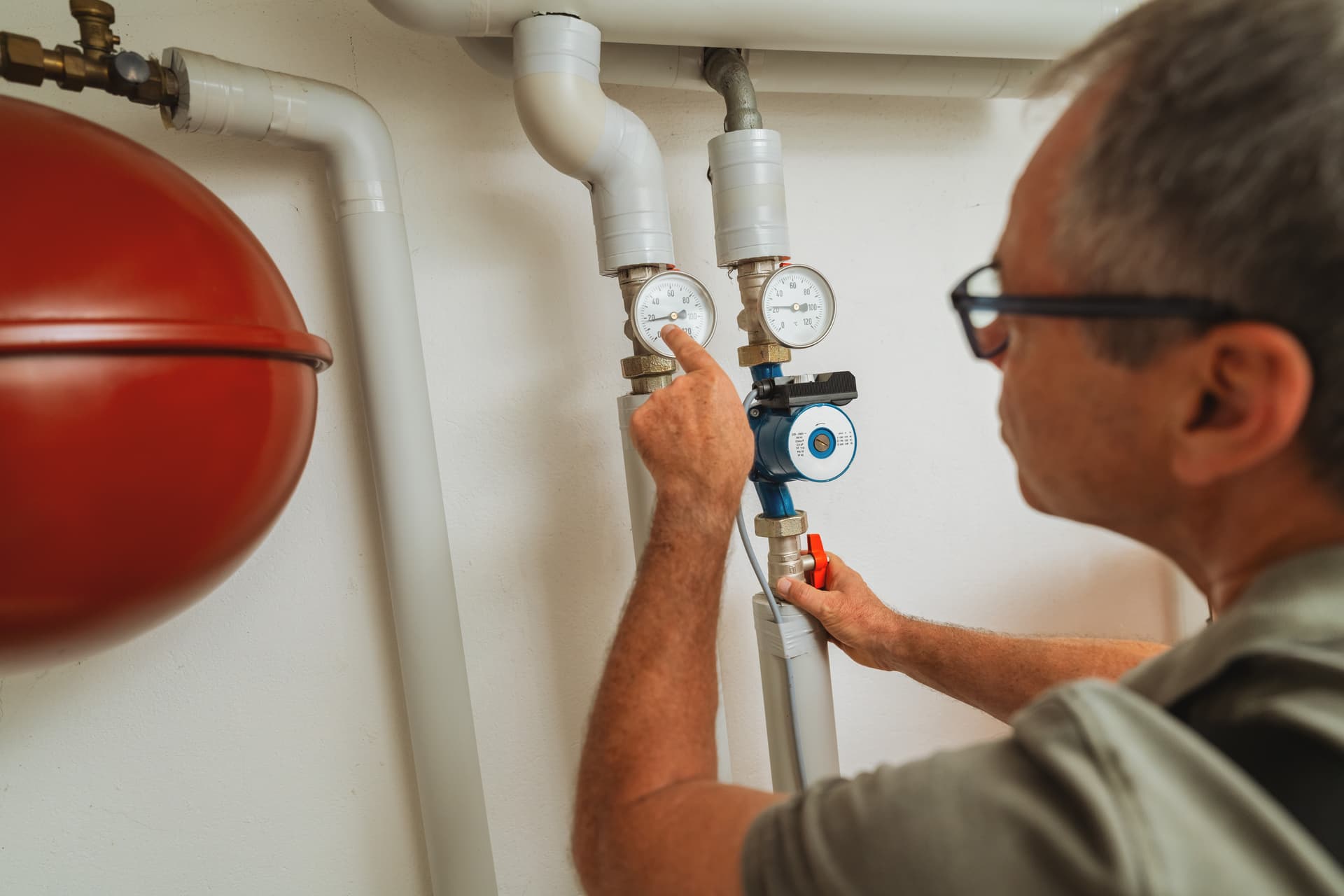
First, check whether your system is the type that has a pressure gauge. We suggest checking your manual, as not every heating setup works in the same way. Use the boiler manual to understand the gauge and its normal operating range rather than relying on a general figure from another appliance.
If the manual clearly explains how to add water to the system and you can identify the controls without removing a cover, we suggest following those instructions only if you are confident. Stop if a valve will not move easily, the instructions do not match your setup, or you are unsure which control to use. Do not guess, force fittings or leave a filling valve open.
A pressure drop that returns after topping up is a reason to get the system checked, not to keep repeating the same step. Water may be escaping from the pipes or radiators, or a part that controls pressure may have a fault. Look for visible damp patches around accessible radiators or pipework, but do not dismantle fittings or try to repair a leak yourself. If you can see active water escaping, stop using the boiler if it is safe to do so and arrange professional help.
If the boiler will not ignite
Check the simple controls outside the appliance. Make sure the heating is being called for by the thermostat or programmer, and that the boiler’s external power switch is on. If a household circuit breaker has tripped, you can check whether it has done so, but do not repeatedly reset a breaker that trips again. That needs investigation.
If the boiler displays a fault code, consult the manual for the permitted user action. Some models allow a reset after certain interruptions, but only use the reset procedure described for your appliance. Repeated resets are not a repair: if the boiler fails again, leave it off and call an engineer. Do not try to relight internal components or adjust gas controls.
If you have another gas appliance, noticing whether it works may be useful information to report, but do not use it to diagnose the boiler. If you smell gas, do not operate electrical switches or use a naked flame. Leave the property and contact the appropriate gas emergency service from outside.
When to stop checking and call
Call for help if the pressure keeps dropping, the boiler repeatedly fails to ignite, a fault code returns after the manual’s permitted action, or you cannot identify the controls with confidence. Mention the make and model if you know them, the exact display or code, what the pressure gauge shows and what you have already checked. That gives us a clearer starting point for assessing the fault.
Avoid opening the boiler, removing panels, altering wiring or gas connections, and using improvised fixes. Those steps can create safety risks and make the original problem harder to identify. If the appliance is leaking, making unusual noises or showing signs of damage, do not keep trying to run it.
For more on the repair service and the issues we can assess, visit our Boiler Repairs page. If these checks have not resolved the problem, contact us with the details you recorded so we can discuss the next step.
Other Articles